

How to Improve Fuel Economy in Your Chevy Before a New England Summer
May is the right time to get your Chevy ready for summer driving in New England. Before July heat, weekend traffic, family trips, and heavier A/C use settle in, a few smart maintenance and driving habits can help your vehicle use fuel or electric range more efficiently.
Around Woburn, summer driving can mean quick errands on Winn St, commuter traffic on Cambridge Rd/Rte 3, family stops near Joyce Middle, and weekend plans at Cummings Park or Simonds Park. Whether you drive a Chevy Silverado, Equinox, Trax, Traverse, Tahoe, Suburban, Blazer EV, or Equinox EV, the same basic idea applies: an efficient vehicle starts with the right upkeep and the right driving habits.
The Biggest Summer Fuel-Economy Factors
The biggest summer efficiency factors for many drivers are tire pressure, A/C use, roof-mounted cargo, extra weight, driving style, and whether maintenance is current. None of these requires guesswork, and many can be checked before summer travel gets busy.
A strong pre-summer plan should include:
- Checking tire pressure when the tires are cold.
- Removing unused roof racks, cargo boxes, and heavy gear.
- Confirming oil life and maintenance status.
- Inspecting filters during routine service.
- Reducing long idle time.
- Combining errands when practical.
- Using EV cabin preconditioning while plugged in, when available.
- Scheduling service if a warning light is active.
Start With Tire Pressure
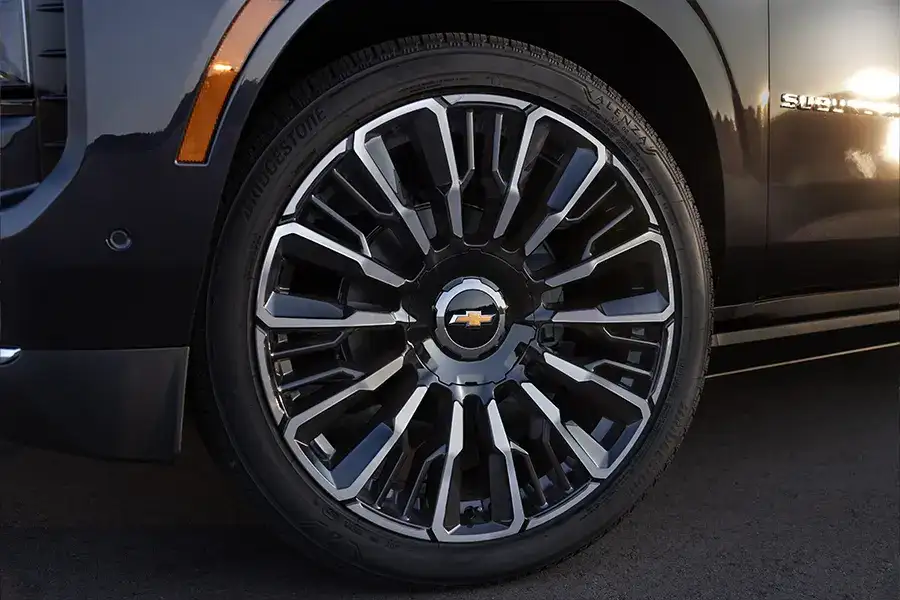
Proper tire pressure is one of the simplest ways to support fuel economy. Underinflated tires create more rolling resistance, which can make your Chevy work harder. Federal fuel-economy guidance notes that underinflated tires can lower gas mileage by about 0.2% for every 1 psi drop in pressure across all four tires.¹
Check your tire pressure when the tires are cold, and use the recommended cold inflation pressure listed on the vehicle’s tire information placard or certification label. That number is usually found on the driver-side door area and is the correct reference for your Chevy, not the maximum pressure printed on the tire sidewall.²
This is a smart habit before a longer summer drive, but it also matters during ordinary local driving through Lexington St, Pleasant St, and nearby Stoneham or Winchester.
Keep Up With Oil Changes and Factory Maintenance
Summer heat, stop-and-go traffic, and longer weekend trips all make routine maintenance more important. Fresh, proper oil helps the engine operate as intended, while scheduled inspections can catch small issues before they affect drivability, comfort, or reliability.
A pre-summer service visit may include checking:
- Engine oil and filter status
- Coolant and other fluid levels
- Belts and hoses
- Battery condition
- Brake wear
- Tire condition and rotation needs
- Wiper blades and exterior lights
- A/C performance
For eligible new non-lease vehicles covered by the 20/200 Protection Plan By Nucar, staying current with the manufacturer’s recommended maintenance schedule is also important for maintaining plan requirements. The team at Nucar Chevrolet of Woburn can help you review your Chevy’s service needs and keep your maintenance records organized.
Schedule Chevrolet service before summer travel ramps up.
Know What Filters Can and Cannot Do
Filters matter, but it helps to understand their role clearly. A clean engine air filter supports proper engine performance, while a clean cabin air filter helps maintain strong airflow through the climate system.
For modern fuel-injected vehicles, replacing a clogged engine air filter may improve acceleration or performance, but federal guidance does not support promising a measurable fuel-economy improvement.³ That is why filter checks should be treated as part of overall vehicle health, not as a magic MPG fix.
A cabin air filter can also make a noticeable comfort difference in summer. If airflow feels weak, the cabin smells musty, or the A/C seems to be working harder than usual, it may be time to have the cabin filter inspected.
Use Air Conditioning Smarter, Not Less
You do not need to suffer through a hot cabin to save fuel. Air conditioning is part of comfortable summer driving. The goal is to use it intelligently.
Running A/C and other electrical accessories can reduce fuel economy, especially in hot weather and stop-and-go driving.⁴ Try these habits before cranking the system to full blast:
- Park in the shade when possible.
- Open the doors or windows briefly to vent trapped heat before driving.
- Use recirculation mode once the cabin begins cooling.
- Avoid long idle periods just to run the A/C.
- Remove windshield sunshades only when you are ready to drive.
These small habits are especially useful for short trips around Woburn, where the cabin may heat up again between errands at Market Basket, Stop & Shop, or Shaw’s.
Remove Roof Gear and Extra Cargo
Extra weight can reduce efficiency, and roof-mounted gear can have an even bigger effect at highway speeds because it increases aerodynamic drag. Federal fuel-economy guidance notes that a large rooftop cargo box can reduce fuel economy by double-digit percentages at highway or interstate speeds.⁵
That does not mean you should skip the bikes, kayaks, luggage, or cargo box when you need them. It simply means you should remove them when the trip is over.
Before summer gets busy, check for:
- Unused roof racks
- Cargo boxes
- Bike racks
- Sports equipment
- Tools or supplies left in the cargo area
- Heavy bags, coolers, or seasonal items
A lighter, cleaner vehicle can feel better in daily driving and may help your Chevy use less fuel on routine trips through Wilmington, Wakefield, and around Woburn.
Combine Errands When It Makes Sense
Short trips can use more fuel than drivers expect because the engine may spend more time operating before it reaches its most efficient temperature. Combining errands can reduce total miles and cut down on repeated cold starts.⁶
For example, a Woburn driver might combine a grocery run, pharmacy stop, school pickup, and service appointment into one planned route instead of making several separate trips throughout the day. It is a simple habit, but it can make weekly driving more efficient and less rushed.
Drive Smoothly When Traffic Allows
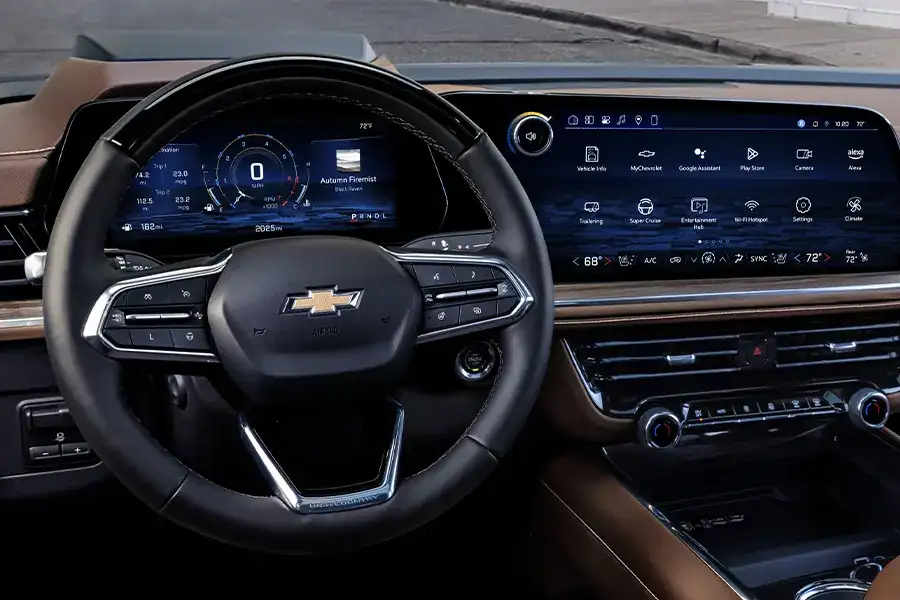
Smooth driving helps your Chevy use fuel more efficiently. Hard acceleration, sudden braking, and unnecessary speeding can all work against fuel economy. Federal fuel-economy guidance recommends efficient driving habits such as steady speeds, gentle acceleration, and avoiding aggressive driving.⁷
Woburn traffic does not always cooperate, especially near busy commuter routes, but a calmer driving style can still help. Leave more following distance, ease into acceleration, and look farther ahead so you can avoid abrupt braking when traffic slows.
Cruise control may also help maintain a steady speed on open highway stretches, but it should only be used when traffic, road, and weather conditions are appropriate.
Pay Attention to Alignment and Brake Warning Signs
A Chevy that is fighting itself will not feel efficient. Poor alignment, uneven tire wear, or dragging brake components can make the vehicle harder to move and less pleasant to drive.
Watch for these signs:
- The steering wheel sits off-center.
- The vehicle pulls left or right.
- Tires show uneven wear.
- You hear grinding, squeaking, or dragging noises.
- The vehicle feels sluggish during normal acceleration.
- The brake pedal feels different than usual.
These issues are worth checking before summer travel, especially if you are planning longer drives or carrying extra passengers and cargo.
What You Can Check at Home vs. What a Technician Should Inspect
Some fuel-economy habits are easy to handle at home. Others are better left to a trained Chevrolet service technician.
Good at-home checks include:
- Tire pressure
- Extra cargo
- Roof racks or cargo boxes
- Trip planning
- Warning-light awareness
- A/C habits
- EV charging routine
Schedule service for:
- Oil and filter service
- Alignment concerns
- Brake noises or dragging
- A/C performance problems
- Check engine lights
- Battery or charging concerns
- EV system checks
- Fluid leaks or overheating concerns
This approach keeps the simple things simple while making sure real mechanical concerns get proper attention.
Chevy EV Owners Can Prepare for Summer, Too
Chevy EV drivers can also improve summer efficiency by thinking ahead. Cabin preconditioning can help cool the vehicle before you leave, and Chevrolet notes that preconditioning while plugged in can draw energy from the charging outlet rather than the vehicle battery.⁸
That can be useful before a commute, school pickup, or longer weekend drive. Smooth driving and gentle acceleration can also help optimize EV range, while extreme temperatures can affect battery performance.⁸
For drivers around Woburn, Winchester, and Stoneham, home charging may cover much of the weekly routine. For longer summer trips, checking charging options before leaving can make the drive feel easier and more predictable.
Do Not Ignore Warning Lights Before a Summer Trip
A warning light is your Chevy’s way of asking for attention. A check engine light, tire-pressure alert, battery warning, or temperature warning can point to an issue that affects performance, efficiency, or reliability.
Waiting until a summer trip is already underway can turn a manageable concern into an avoidable delay. If a warning light is active, schedule service before your calendar fills up with July plans.
Pre-Summer Chevy Fuel Economy Checklist
Use this quick checklist before summer driving season gets busy:
- Check tire pressure cold and use the vehicle placard.
- Remove unused roof racks, cargo boxes, and heavy cargo.
- Confirm oil life and recommended maintenance status.
- Have engine and cabin filters inspected.
- Use A/C recirculation after the cabin begins cooling.
- Avoid long idle periods.
- Combine errands when practical.
- Drive smoothly and avoid abrupt acceleration or braking.
- Watch for alignment, brake, or tire-wear warning signs.
- Precondition compatible Chevy EVs while plugged in.
- Schedule service if any warning light is active.
Frequently Asked Questions About Summer Fuel Economy
How can I improve gas mileage in my Chevy before summer?
Start with tire pressure, routine maintenance, lighter cargo, smarter A/C use, smoother driving, and better trip planning. These steps are practical, source-supported, and useful for daily driving before New England summer heat arrives.
Does tire pressure affect fuel economy?
Yes. Underinflated tires increase rolling resistance and can reduce gas mileage. Check tire pressure when the tires are cold and use the pressure listed on your Chevy’s vehicle placard.¹ ²
Does using A/C lower MPG?
Air conditioning can reduce fuel economy because it adds load to the vehicle. That does not mean you should avoid A/C. Park in the shade when practical, vent the hot cabin before driving, and use recirculation mode once the cabin starts cooling.⁴
Can roof racks and cargo boxes affect fuel economy?
Yes. Roof-mounted cargo increases wind resistance, and the effect can be especially noticeable at highway speeds. Remove roof racks, cargo boxes, and other external gear when you are not using them.⁵
Will replacing an engine air filter improve fuel economy?
For modern fuel-injected vehicles, replacing a clogged engine air filter may improve performance, but federal guidance does not support promising a measurable fuel-economy improvement. A filter inspection is still useful as part of routine vehicle maintenance.³
How can Chevy EV drivers protect range in hot weather?
Chevy EV drivers can precondition the cabin while plugged in, drive smoothly, avoid unnecessary heavy cargo, and plan charging before longer trips. Chevrolet notes that cabin preconditioning while plugged in can use energy from the charging outlet instead of the battery.⁸
Where can I schedule Chevrolet service near Woburn, MA?
Chevy drivers can schedule service at Nucar Chevrolet of Woburn at 40 Winn St in Woburn. The service team can help with oil changes, tire checks, filter inspections, warning lights, A/C concerns, and seasonal maintenance.
Get Your Chevy Ready for Summer at Nucar Chevrolet of Woburn
Summer fuel economy starts with a Chevy that is properly maintained, lightly loaded, and ready for the way you drive. Tire pressure, oil changes, air filters, A/C habits, alignment, driving style, trip planning, and EV preconditioning can all make a difference before New England heat and summer traffic arrive.
Nucar Chevrolet of Woburn is located at 40 Winn St, Woburn, MA 01801, making it easy for local drivers to schedule Chevrolet service, shop new Chevy vehicles, explore used cars and trucks, value a trade, or compare more choices through the Nucar Network. Plan your summer service visit today, and see why Everyone Loves A Nucar!
Schedule Service Browse New Chevrolet Inventory Shop Used Vehicles Value Your Trade
Sources
¹ FuelEconomy.gov, gas mileage tips for proper tire inflation and trip combining. (Fuel Economy)
² NHTSA TireWise guidance on checking cold tire pressure and using the vehicle tire information placard. (NHTSA)
³ U.S. Department of Energy, guidance on modern vehicles, clogged air filters, performance, and fuel economy. (The Department of Energy’s Energy.gov)
⁴ FuelEconomy.gov, fuel-economy factors including air conditioning and accessory use. (Fuel Economy)
⁵ FuelEconomy.gov, guidance on roof cargo and aerodynamic drag. (Fuel Economy)
⁶ FuelEconomy.gov, planning and combining trips. (Fuel Economy)
⁷ FuelEconomy.gov, driving more efficiently. (Fuel Economy)
⁸ Chevrolet, EV range and battery guidance, including cabin preconditioning and smooth driving. (chevrolet.com)
0 comment(s) so far on How to Improve Fuel Economy in Your Chevy Before a New England Summer